
 Speak with an experienced advisor!
 How Sleep Apnea Affects Life Insurance Prices
What Is Sleep Apnea?
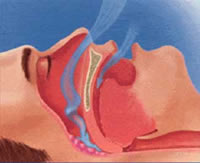 When a person’s breathing stops for a period of time while in a deep slumber, followed by sudden attempts to breathe, the person is experiencing a condition called sleep apnea. Sleep apnea affects one in every 200 people and approximately 25 percent of people over age 65 have this condition. Older obese men seem to be at higher risk, though as many as 40 percent of people with obstructive sleep apnea are not obese. There are two types of sleep apnea, central and obstructive. People with obstructive sleep apnea, the most common type, need not lose sleep over whether their condition will affect their ability to obtain life insurance since lifestyle changes and treatments that can manage the symptoms.
Other related medical conditions (or medical terminology) include Sleep Apnea, Obstructive Sleep Apnea, Sleep Disorder. Read below for more information about Sleep Apnea and receiving a life insurance quote from a life insurance specialist.
If I have sleep apnea, how will I know?
Prime candidates for obstructive sleep apnea may have nasal obstructions, large tongues, large necks, narrow airways or irregular shapes of the palate and jaw. People who regularly drink alcohol or take sedatives before sleep are at risk for sleep apnea. Often, individuals affected by this condition may be the last to know as they often do not remember the episodes. When a most people sleep, the muscles of the upper part of the throat keep this passage open to allow air to flow into the lungs. These muscles usually relax during sleep, but the passage remains open enough to permit the flow of air. Some individuals have a narrower passage and during sleep the muscles relax causing the passage to close and then air cannot get in to the lungs. This is called obstructive sleep apnea. The loud snoring and labored breathing of a person during sleep can be symptomatic of apnea and is usually witnessed by family members or spouses. When complete blockage occurs, air cannot reach the lungs and the oxygen level in the blood falls. Persistent low levels of oxygen from apnea may be the cause of lethargy and sleepiness, the predominant symptoms of sleep apnea, during the day. The individual may also experience morning headaches, weight gain, limited attention, memory loss, poor judgment and personality changes. Children may demonstrate hyperactive behavior; some adults may have high blood pressure and leg swelling.
Diagnosing and treating sleep apnea
Diagnosing sleep apnea requires several steps. First, a health care practitioner should take a comprehensive medical history that includes a questionnaire about daytime sleepiness, sleep quality and bedtime habits. Then, a physical examination of the mouth neck and throat should be performed along with arterial blood gases, thyroid function studies, an ECG, echocardiogram and sleep studies.
The goal of sleep apnea treatment is to keep a person’s airway open. Some people will experience relief by losing weight and refraining from taking alcohol or sedatives before bed. If these lifestyle changes fail to eliminate apnea, some individuals will benefit from using a mechanical device, inserted into the mouth at night, to keep the jaw in a forward position Some patients may need a special face mask called continuous positive airway pressure (CPAP) that covers the nose and mouth and forces air into the nasal passages to prevent them from collapsing. Surgery is sometimes necessary to remove anatomical causes of apnea such as excess tissue at the back of the throat, enlarged tonsils or adenoids. Creating an opening in the trachea to bypass the obstructed airway during sleep or removing nose and upper throat blockages are surgical procedures that may relieve sleep apnea too.
Sleep apnea that is left untreated can lead to hypertension, stroke and heart attack. Sleepiness during the daytime puts drivers at higher risk for motor vehicle accidents.
Managing sleep apnea opens insurers’ eyes
Generally speaking, obstructive sleep apnea is insurable if steps are being taken to manage it. Those treated with CPAP must have verification of compliance in their medical documentation. Central apnea which is caused by the brain’s failure to trigger the muscles of respiration is rare and is usually uninsurable.
How Can MEG Financial Help?
At MEG Financial, we have worked with many individuals across the country that have had related histories and have helped many obtain fairly priced life insurance. A number of these clients previously attempted to buy life insurance elsewhere but were either turned down or asked to pay a significantly higher rate. Our experience helping others with related problems is invaluable to you in identifying the insurance company that will treat you most fairly.
For more specific information or to obtain a custom quote, call MEG Financial today at (877) 583-3955. You may also submit this short form and an independent insurance agent will personally contact you to go over any questions or other concerns.