
 Speak with an experienced advisor!
 Applying for insurance should pose few problems for people with peptic ulcers.
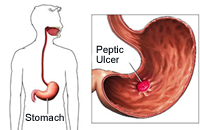 Ulcers are a common ailment of modern society. People of any age can develop an ulcer and they affect men and women equally. About one out of every ten Americans will suffer from the burning, gnawing abdominal pain of an ulcer sometime in life. Unlike days of old, when treatment for ulcers included starvation and later psychotherapy or surgery, most peptic ulcers are treated with relative ease with medication. Though common, the dangers associated with ulcers, which include anemia, profuse bleeding, and stomach cancer are serious and should always be treated by your doctor.
Other related medical conditions (or medical terminology) include Peptic Ulcers, Stomach Ulcers, Gastric Ulcers, Ulcers. Read below for more information about Peptic Ulcers and receiving a life insurance quote from a life insurance specialist.
A Hole in the Stomach, Esophagus or Duodenum
There are two types of ulcers, peptic and gastric. A peptic ulcer is a hole in the first inner lining of the stomach, esophagus or duodenum (the first section of the small intestine). Its name is derived from the enzyme pepsin, a stomach enzyme that breaks down proteins. If the ulcer is located in the stomach it is called a gastric ulcer.
Normally, the lining of the stomach and small intestines have protection against the irritating acids produced in your stomach. When the protective mechanisms break down, the lining develops inflammation (gastritis) or an ulcer. Small peptic ulcers may be asymptomatic while large ones can cause serious bleeding. An ulcer, or hole, that goes all the way through the lining is called a perforation and is considered a medical emergency.
Common and Uncommon Causes of Ulcers
Until the mid-1980s, it was believed that ulcers formed as a result of stress, a genetic predisposition to excessive stomach acid secretion or overindulgence in fatty foods, alcohol, caffeine, and tobacco. It was believed that these factors contributed to a buildup of stomach acids that erode the protective lining of the stomach, duodenum, or esophagus. Now it is believed that excessive stomach acid secretion plays a role in the development of ulcers, but bacterial infection from Helicobacter pylori (H. pylori) is the primary cause of peptic ulcers. Although many people have this organism in living in their gastrointestinal (GI) tract, not everyone develops ulcers.
Research indicates that H.pylori is present in more than 90% of duodenal ulcers and about 80% of stomach ulcers. Heavy smokers are more prone to developing duodenal ulcers than are nonsmokers; people who drink alcohol excessively are more susceptible to esophageal ulcers; and people who take aspirin, ibuprofen or naproxen frequently over a long period of time are more likely to develop stomach ulcers than those who don’t.
There are several groups with unique risk factors that may cause a peptic ulcer. Individuals with type O blood are more likely to develop duodenal ulcers while people with type A are prone to developing cancerous stomach ulcers. A rare condition called Zolliger-Ellison syndrome causes the pancreas to secrete a substance that produces ulcers throughout the stomach and duodenum. Critically ill patients who are on breathing machines are also at risk for developing “stress ulceration.” Some elderly are at increased risk for developing an ulcer due to increased intake of aspirin and ibuprofen to address arthritis pain. As the body ages, the pylorus valve, located between the stomach and duodenum, relaxes as it ages and may allow excess bile (a compound produced in the liver to aid in digestion) to seep up into the stomach and erode the stomach lining causing ulcers in some people.
A Pain in the Stomach
Abdominal pain ranks as the chief complaint of people suffering with peptic ulcers, but the severity and triggers for the pain vary from person to person. For example, abdominal pain may get better or worse for some people after eating. Others may experience other symptoms such as nausea, vomiting, weight loss or fatigue. Heartburn, indigestion, belching and chest pain are also frequently an issue. More severe symptoms include vomiting blood, or dark tarry stools.
Healing Ulcers
The Helicobacter pylori bacteria that causes many ulcers will often respond favorably to a cocktail of drugs. It has become somewhat resistant to treatment and is not easily eradicated. Peptic ulcers that are not caused by H.pylori are treated with histamine blocking drugs such as Tagamet, Zantac and Pepcid or with proton pump inhibitors Prilosec or Prevacid. These pharmaceuticals are very effective in healing ulcers. Antacids and other medications that reduce the amount of acid produced by the stomach are widely used as well. There are also a variety of self-help and alternative treatments that can aid in the treatment of ulcers. There is no cure for peptic ulcers and relapse incidence in high.
Peptic Ulcers Pose Few Problems for Insurers
Individuals with peptic ulcers should not have difficulty procuring insurance if they are managing their condition with proper treatment. After two years of being symptom free, an applicant’s rates may actually improve. The optimum insurance opportunity for people with peptic ulcers that have been treated surgically will occur approximately two years after surgery.