 Speak with an experienced advisor!
 If controlled, you may qualify for the best rates with high blood pressure!
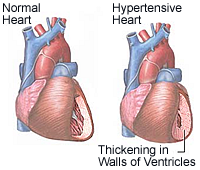 Hypertension is the medical term for high blood pressure, a condition that affects all types of people. According to recent estimates by the American Heart Association, about one in three U.S. adults has high blood pressure, and nearly one-third of them don’t know it as there are often no symptoms or signs of hypertension. It is the leading cause of stroke and a major cause of heart attack. Approximately 80 million people over age six have high blood pressure in the United States. The only way to definitely know if you have hypertension is to have your blood pressure checked. Individuals with a family history of this disease are at greater risk as are pregnant women and women on birth control. People over the age of 35, who are overweight or obese, are not active, drink alcohol excessively or eat a diet rich in fatty foods or salt are part of this high-risk group, too. Hypertension is more common in African Americans than Caucasians. Insurance opportunities are available for most individuals with hypertension provided they are managing their blood pressure with good results.
Other related medical conditions (or medical terminology) include HBP, Blood Pressure Guide, Chart, Guidelines, Medications. Read below for more information on receiving a life insurance quote from a life insurance specialist with these medical conditions.
All Levels of Hypertension Inflict Damage
Blood pressure is the force of blood pushing against blood vessel walls as the heart pumps. Blood, like air in a tire or water in a hose, fills arteries to a certain capacity. Too much pressure can damage arteries and lead to life-threatening conditions such as heart disease and stroke.
Normal blood pressure rises steadily from about 90/60 at birth to about 120/80 in a healthy adult. It rises and falls with changes in physical activity and emotional state. It also varies from person to person.
Blood pressure is measured in millimeters of mercury (mmHg) and is usually given as 2 numbers. The top (first) number is the systolic pressure, created when your heart beats; the bottom (second) number is the diastolic pressure, the pressure inside blood vessels when the heart is at rest. Verbally, it would be expressed as 140 over 90 or in written form as 140/90. When measurements are above normal ranges, this is called hypertension. Blood pressure readings are categorized as:
- Normal: Less than 120/80
- Pre-hypertension: 120-139/80-89
- Stage 1 hypertension: 140-159/90-99
- Stage 2 hypertension: 160 and above/100 and above
When blood pressure is above the normal range, pre-hypertensive, individuals should consult their doctors about methods to lower it due to the fact that it puts them at increased risk to develop hypertension later. Any increase in blood pressure makes the heart work harder to pump blood to the body and contributes to hardening of the arteries (atherosclerosis), the development of heart failure and may affect the brain and kidneys. Blood pressure readings of 140/90 or higher, taken on at least two occasions, are identified as hypertensive and warrant medical treatment. People with blood pressure readings of 200/120 or higher require emergency medical treatment immediately.
Hypertension Classification and Causes
There are three types of hypertension:
Essential or primary hypertension is high blood pressure without an identifiable
cause. This mysterious condition applies to as many as 95% of cases in the
United States.
- Advancing age
- Anxiety and stress
- Chronic alcohol consumption
- Diet: Insufficient potassium, calcium and magnesium; Salt sensitivity
- Family history
- Lack of physical activity
- Obesity
- Race
Secondary hypertension results
from a specific medical condition, habit, or
medication. Factors that can induce secondary hypertension
include:
- Adrenal gland tumor
- Appetite suppressants
- Arteriosclerosis
- Birth control pills
- Certain cold medicines
- Coarctation of the aorta –A severe narrowing of the aorta that causes a decrease in blood flow to the lower part of the body; a congenital defect correctible with surgery
- Cocaine use
- Cushing Syndrome
- Diabetes
- Kidney disease
- Migraine medicines
- Hemolytic-uremic syndrome
- Henoch-Schonlein purpura
- Pain
- Periarteritis nodosa
- Pregnancy (called gestational hypertension)
- Radiation enteritis
- Renal artery stenosis
- Retroperitoneal fibrosis
- Smoking
- Wilms’ tumor
Malignant hypertension is extremely high blood pressure which affects the optic nerve, may cause retinal bleeding, other problems with the retina or kidney failure. Symptoms indicating this condition warrant immediate medical attention
and include:
- Confusion
- Chest pain
- Ear noise or buzzing
- Irregular heartbeat
- Nosebleed
- Tiredness
- Vision changes
- Severe headache
Diagnosing Hypertension
During a physical exam, a physician or nurse will check your blood pressure. If the measurement is elevated, hypertension may be suspected. To determine if it is, blood pressure measurements will need to be repeated over time so that the diagnosis can be confirmed. Other tests may be done to look for blood in urine or heart failure which can cause blood pressure to elevate. A series of tests including blood work (Chem 20), an echocardiogram (ECG), urinalysis and X-ray of the kidneys will look for signs of complications from hypertension in the heart, kidneys, eyes, and other organs.
Hypertension is the perfect example of a silent but deadly medical condition that, if left untreated, can cause blood vessel and brain damage, congestive heart failure or heart attack, kidney damage or failure, stroke, vision loss and hypertensive heart disease. Managing hypertension not only reduces blood pressure, it also lowers the risk of complications elsewhere in the body.
Initial steps to control hypertension may warrant lifestyle changes. Excess weight strains the heart, so obese individuals may benefit from weight loss. Incorporating a healthy diet that minimizes fat and sodium intake and features fruits, vegetables and fiber, coupled with regular exercise, into a person’s lifestyle can lead to weight loss and a reduction in blood pressure. Smokers can improve their hypertension by quitting and diabetics who control their blood sugars are also managing their blood pressure.
Medications are an added measure, in addition to lifestyle improvement, used to treat high blood pressure. Such medicines include:
- Alpha blockers
- Angiotensin-converting enzyme (ACE) inhibitors
- Angiotensin receptor blockers (ARBs)
- Beta-blockers
- Calcium channel blockers
- Central alpha agonists
- Diuretics
- Renin inhibitors, including aliskiren (Tekturna)
- Vasodilators
Extreme hypertension may necessitate the use of a different arsenal of drugs to manage it, including:
- Clonidine
- Diazoxide
- Furosemide
- Hydralazine
- Minoxidil
- Nitroprusside
Insurance Ratings Mirror Hypertension Management
Management of hypertension is critical to long term health and insurability. After a diagnosis of hypertension, monitoring of blood pressure will reflect the success or failure of lifestyle changes and drug therapy in the management of the condition. Insurers will want to see this history, normal blood pressure readings for several months, as they consider how to rate an application. Documentation that demonstrates good medical management of the condition and the establishment of positive lifestyle changes, including the cessation of smoking, weight loss, regular exercise and preventive medications, in addition to a report of favorable blood pressure readings will enhance ratings. If a history of less than ideal blood pressure readings is part of an application, the addition of a report from a recent stress test, indicating that levels were normal, may help the applicant.
How Can MEG Financial Help?
At MEG Financial, we have worked with many individuals across the country that have had related histories and have helped many obtain fairly priced life insurance. A number of these clients previously attempted to buy life insurance elsewhere but were either turned down or asked to pay a significantly higher rate. Our experience helping others with related problems is invaluable to you in identifying the insurance company that will treat you most fairly.
For more specific information or to obtain a custom quote, call MEG Financial today at (877) 583-3955. You may also submit this short form and an independent insurance agent will personally contact you to go over any questions or other concerns.