
 Speak with an experienced advisor!
 Elevated Liver Enzymes and Life Insurance Quotes and Policy Analysis
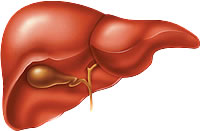 The liver is one of the largest and most important organs in the body. It is the organ that removes harmful substances such as alcohol and poisonous chemicals from the blood and produces chemicals that help the body combat infection. It releases a substance called bile to help digest food and absorb nutrients; it also stores vitamins, sugars, fats and other nutrients from the food you eat. The liver also controls the production and removal of cholesterol and makes clotting factors to stop excessive bleeding from cuts or injuries.
Elevated Liver Enzymes Are a Warning Signal
If the liver shuts down, a person can only survive one or two days without it. Luckily, the liver can function even when up to 75 percent of it is diseased, or removed, for it is the only organ that can regenerate itself, creating new cells from healthy liver cells that remain. Elevated liver enzymes are a warning signal that your liver is malfunctioning and warrants further testing and follow-up by a physician.
Blood tests are used to diagnose problems with the liver. When the liver is damaged or irritated, enzymes levels it secretes can become elevated. Specific tests that diagnosis liver function, or dysfunction, can also be detected through blood work. Liver and gall bladder disease are the seventh leading cause of death and in America alone, 26,000 people will die from chronic liver diseases and cirrhosis. Often times, lab tests performed as part of an insurance application will reveal liver disease before a person has symptoms.
Understanding Liver Enzyme Elevations and Liver Function Tests
- GGT/GGTP – Frequently the most elevated enzyme and most sensitive, this enzyme indicates obstruction of the biliary system either within the liver or in the larger bile channels outside the liver. There are a number of disorders that negatively affect the biliary system including gallstones or tumors that block the common bile duct; alcoholic liver disease as well as drug induced hepatitis block the flow of bile in smaller bile channels within the liver. It is of limited use as a clinical indicator if elevated by itself.
- AST / SGOT– Elevations ranging from mild to high, especially when concurrent with ALT, can be caused by conditions such as acute viral hepatitis, chronic hepatitis or cirrohosis. The enzyme is secreted into the circulatory system when liver cells are damaged. The higher the elevation, the greater the cause for concern.
- ALT / SGPT – Elevations ranging from mild to high, especially when concurrent with ALT, can be caused by conditions such as acute viral hepatitis, chronic hepatitis or cirrohosis. The enzyme is secreted into the circulatory system when liver cells are damaged. The higher the elevation, the greater the cause for concern.
- Alkaline phosphatase – Elevations are much rarer than elevations of the other enzymes. Elevations above 30 percent of normal levels may point to serious liver problems such as obstruction of the flow of bile or even a recent heart attack.
- Serum albumin – This protein is formed in the liver and assists in maintaining blood volume in the arteries and veins. When liver disease, chronic or advanced is present, albumin levels may be reduced to very low levels and cause fluid to leak into tissue from the blood vessels resulting in edema or swelling. If the liver failure is acute, fluid may accumulate in the abdomen. This is called ascites
- Serum iron – Elevations of serum iron, the percentage of iron saturated in the blood or the storage of the protein ferritin, may indicate the presence of hemochromatosis, a liver disease associated with excess iron storage.
Other related medical conditions (or medical terminology) include Elevated Liver Enzymes, Elevated ALT / AST / GGTP, Liver Function Test, and Abnormal Liver Enzymes. Learn more information on receiving a term life insurance quote with these medical conditions from our life insurance specialists.
The Causes of Elevated Liver Enzymes
Alcohol use and abuse is the leading cause of elevated liver enzyme levels and liver disorders. There is no specific amount of alcohol that leads to liver enzyme elevation for people have unique thresholds. For most people, it takes three drinks or more a day over a period of time to elevate enzyme levels. Isolated episodes of binge drinking do not normally lead to elevated liver enzyme levels.
Over the counter or prescription medications, as well as infections, can elevate liver enzymes.
Hepatitis, obesity, diabetes and hemochromatosis, ,an inherited condition in which the body absorbs and stores too much iron, are other common causes of elevated liver enzymes.
Can I Get Life Insurance with Elevated Liver Enzymes?
Underwriters, when confronted with this diagnosis, will be very cautious in evaluating applications. Several scenarios can play out when labs report elevated liver enzymes.
First, an insurer will request that the lab re-test for hepatitis or alcohol use. If the report reveals a positive alcohol marker, the applicant will be asked to fill out a questionnaire detailing alcohol use and to submit a motor vehicle report. Most applications with a positive alcohol marker will be declined. If hepatitis is found, the type of hepatitis must be identified, as well as the extent of any resulting liver damage, before a determination of eligibility is made. Second, in cases of severe liver function elevation, most insurers will postpone the application until the cause is determined, the extent of damage is defined (typically from a liver biopsy) and the condition is brought under control. Third, in instances where a person has a history of mildly elevated liver functions without known cause, and the attending physician indicates that there is no need for concern, insurance is possible.
How Can MEG Financial Help?
At MEG Financial, we have worked with many individuals across the country that have had related histories and have helped many obtain fairly priced life insurance. A number of these clients previously attempted to buy life insurance elsewhere but were either turned down or asked to pay a significantly higher rate. Our experience helping others with the related problems is invaluable to you in identifying the insurance company that will treat you most fairly.
For more specific information or to obtain a custom quote, call MEG Financial today at (877) 583-3955. You may also submit this short form and an independent insurance agent will personally contact you to go over any questions or other concerns.